SLOW IS THE NEW COOL
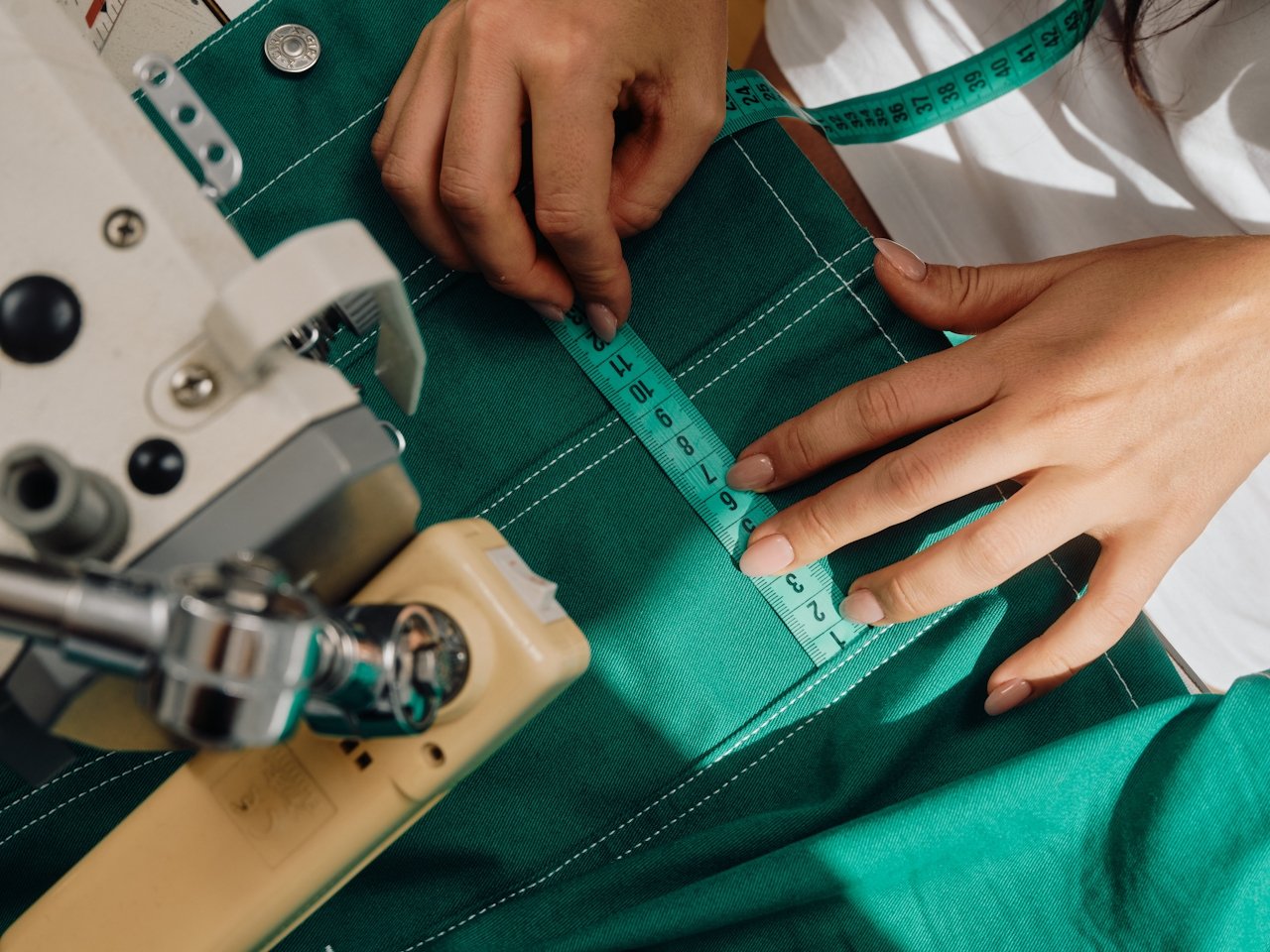
How Gen Z in India is embracing thrifting, upcycling, and rental as identity statements.
The Speed Trap
Fashion has long been addicted to speed — collections chasing seasons, trends flipping
overnight, wardrobes filling faster than they empty. For decades, “fast” was aspirational: more
clothes, more options, more now.
But India’s Gen Z is rewriting that story. For them, the true flex isn’t speed — it’s slowness.
Slowness as resistance. Slowness as identity. Slowness as a new kind of cool.
The Thrift Generation
Across Indian cities, thrift is no longer whispered as “secondhand.” It’s shouted as
“one-of-one.”
● Bygones Echoes (Dimapur/Delhi) curates vintage jackets, band tees, and archival pieces
with cult appeal.
● Two Extra Lives (Bandra, Mumbai) blends clothing, books, and culture into a physical
thrift-meets-community space — part store, part hangout.
● Aimee Loved (Delhi) sits at the intersection of thrift and luxury resale, giving Dior
clutches and Gucci heels a second life.
For Gen Z, shopping here isn’t about bargains — it’s about belonging. To wear a thrifted
bomber from Bygones or a Dior bag passed through Aimee is to say: I found this. It’s mine. It
has a story.
Upcycling as Identity
India has always practiced upcycling: saris reborn as quilts, uniforms turned into rags, scraps
stitched into patchwork. What’s changed is how Gen Z has made it visible.
Labels like Rkive City (Jaipur) and Bodements (Mumbai) rework factory waste and pre-loved
saris into directional pieces. Young labels like day and age turn durries into patchwork skirts,
stitch kantha embroidery into hoodies – then post the process on reels.
These aren’t just DIY projects. They’re personal manifestos. Proof that fashion can be stitched
out of memory, rebellion, and imagination.
The Rise of Rental
Alongside thrifting and upcycling, rental fashion has become part of the slow wardrobe.
Platforms like Beg Borrow Steal or Source both in Bandra, Mumbai allow Gen Z to borrow
rather than buy. Bridal lehengas, red-carpet gowns, statement bags — worn once, shared many
times.
For a generation that streams movies, co-works, and lives in Airbnbs, clothing doesn’t have to
be permanent. Value lies in the moment — in the story a garment tells for a night, a weekend, a
reel.
Why Slow Feels Cool
For Gen Z in India, thrifting, upcycling, and rental aren’t compromises. They’re identity.
● Against conformity: A thrifted jacket from Bygones or a patchwork skirt from Day and
Age is a refusal of Zara sameness.
● For community: Stores like Two Extra Lives double as cultural spaces, creating
conversations as much as closets.
● As politics: Choosing slow is a rejection of overproduction, waste, and exploitation — a
stance worn on the body as visibly as a slogan tee.
Global Conversations, Indian Voices
Globally, apps like Depop, The RealReal, and Vinted have normalized resale. India’s thrift
movement feels younger, scrappier, and more rooted in memory. After all, the country has
always known the circular life of cloth: a sari that becomes a quilt, a mundu that becomes a
curtain, fabric that never dies but transforms.
Gen Z is simply reclaiming that logic — turning it into an aesthetic, an ethic, and a lifestyle that
feels both ancient and futuristic.
In a culture drowning in speed, India’s Gen Z has found the radical glamour of slowness. And
their wardrobes — stitched, thrifted, rented, and reworn — are proof that slow is not sacrifice.
Slow is the new cool.